How to Choose a Dress Watch for Men (2025 Buyer’s Guide with Tables)
- What Is a Dress Watch?
- The Five Rules of Dress Watch Elegance
- Size & Fit: The Numbers That Matter
- Dress Watch Size Guide (By Wrist Circumference)
- Movement Types: Which Works Best for Dress?
- Movement Comparison Table
- Materials & Finishing: What Looks Dressy?
- Case & Crystal Quick Checklist
- Dial Design: The Art of Restraint
- Dial & Hands Checklist
- Water Resistance & Durability (Yes, It Still Matters)
- Straps: Leather, Texture & Color Matching
- Outfit Pairing Cheat Sheet
- Budget: What to Expect at Each Tier
- Budget Tiers & Expectations
- Feature Trade-Offs: What to Avoid
- How to Try On Like a Pro (5-Minute Process)
- Maintenance & Ownership Costs
- Smartwatches as Dress Watches?
- Frequently Asked Questions
- Quick Buy Checklist (Print or Screenshot This)
- The Bottom Line
A great dress watch does for a suit what polished Oxfords do for your stride: it sharpens everything. Unlike sports watches, a dress watch is about restraint, proportion, and harmony with formal clothing. This guide breaks down what matters—size, thickness, dial design, movements, straps, materials, and budget—so you can choose a timepiece that looks timeless today and ten years from now.
What Is a Dress Watch?
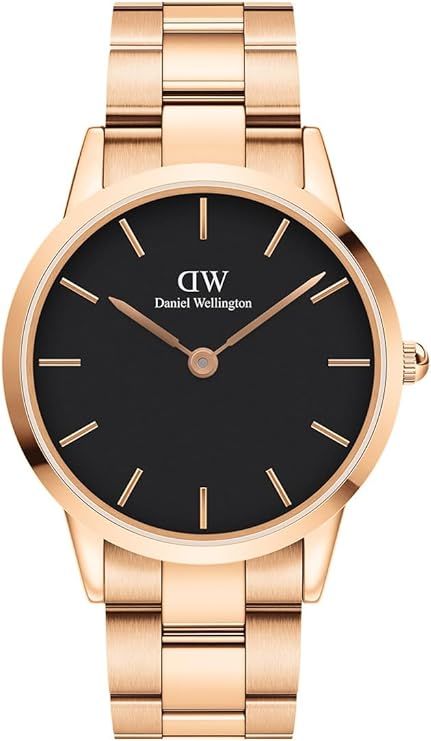
A dress watch is a slim, discreet timekeeper designed to complement tailored clothing. It typically features a clean dial (two or three hands, minimal or no complications), a polished or brushed case in precious metal or steel, and a leather strap that matches the rest of your outfit. The watch should slide under a shirt cuff without a fight and never shout for attention.
Key hallmarks:
-
Slim case (often 6–10 mm for mechanical; quartz can be thinner)
-
Moderate diameter (usually 34–40 mm depending on your wrist)
-
Minimal dial (no diving bezel, no bulky pushers)
-
Leather strap (black or brown; glossy or matte depending on formality)
-
Subtle finishing (polished, brushed, or a tasteful mix)
The Five Rules of Dress Watch Elegance
-
Proportion first. A watch that fits your wrist and cuff looks expensive even when it isn’t.
-
Keep the dial clean. Let the suit do the talking; your watch whispers.
-
Go slim. A thin case is the secret to all-day comfort and formal polish.
-
Match metals and leathers. Coordinate your watch with belt buckles, cufflinks, shoes.
-
Buy what you’ll wear. A slim 38–39 mm watch with a quiet dial gets more wrist time than a museum piece.
Size & Fit: The Numbers That Matter
Dress watches are about elegance under a cuff, so height and lug-to-lug matter as much as diameter.
Dress Watch Size Guide (By Wrist Circumference)
| Wrist Circumference | Ideal Case Diameter | Max Lug-to-Lug Length | Target Thickness | Typical Strap Width |
|---|---|---|---|---|
| 5.5"–6.0" (14–15.2 cm) | 34–36 mm | ≤ 44 mm | 6–9 mm | 16–18 mm |
| 6.0"–6.5" (15.2–16.5 cm) | 36–38 mm | ≤ 46 mm | 6–9.5 mm | 18–19 mm |
| 6.5"–7.0" (16.5–17.8 cm) | 37–39 mm | ≤ 48 mm | 6–10 mm | 18–20 mm |
| 7.0"–7.5" (17.8–19 cm) | 38–40 mm | ≤ 50 mm | 6–10.5 mm | 20 mm |
| 7.5"–8.0"+ (19–20.3+ cm) | 39–41 mm | ≤ 52 mm | 7–11 mm | 20–22 mm |
How to measure quickly:
-
Wrap a soft tape around the wrist where you wear a watch.
-
Measure wrist width (across the top) with a ruler; choose a lug-to-lug shorter than that width.
-
Try the watch with a dress shirt. If the cuff catches on the case, it’s too tall or too large.
Movement Types: Which Works Best for Dress?
Dress watches can be manual, automatic, or quartz. Each has a look, feel, and ownership cost.
Movement Comparison Table
| Movement | Pros | Cons | Typical Service Interval | Thickness Tendency | Who It Suits |
|---|---|---|---|---|---|
| Manual-wind mechanical | Ultra-slim potential; romantic ritual; exhibition case backs look fantastic | Must wind daily; accuracy depends on regulation | 4–7 years (varies by maker) | Thinnest | Purists, minimalists, those who enjoy winding |
| Automatic mechanical | No daily winding; classic feel; strong resale in many brands | Thicker; service costs; sensitive to shocks/magnets | 4–7 years | Medium | Everyday wearers who want “alive” mechanics |
| Quartz | Extremely thin; set-and-forget accuracy; low cost; ideal under tight cuffs | Less romance; battery changes every 2–5 years | Battery change 2–5 years | Thinnest | Travelers, cost-conscious, ultra-slim needs |
Tip: If your priority is ultra-thin under tight cuffs, quartz or a well-designed manual-wind will be easiest. If you like mechanical charm but want convenience, go automatic.
Materials & Finishing: What Looks Dressy?
-
Stainless Steel (316L/904L): Durable, versatile, affordable. Most common and a smart first dress watch material.
-
Gold (Yellow/White/Rose, Solid or Capped): Warmer and more formal; be mindful of weight and cost.
-
Gold Plating/PVD: Offers the look without the price; expect plating to show wear after years of daily use.
-
Titanium: Light and hypoallergenic; less traditional for dress but can look sleek in polished finishes.
-
Sapphire Crystal: Highly scratch-resistant; preferred for dress. Mineral is acceptable but less durable.
-
Case Finishes: Polished surfaces shout “formal,” brushed add subtlety. A tasteful mix looks high-end.
Case & Crystal Quick Checklist
| Component | Preferred Option | Why It Matters |
|---|---|---|
| Case Material | Stainless steel or precious metal | Balance of durability, cost, and classic looks |
| Crystal | Sapphire | Scratch resistance for long-term clarity |
| Bezel | Smooth/slim | Keeps attention on dial, slides under cuffs |
| Caseback | Solid for thinness; exhibition for mechanical interest | Your call: thickness vs. visual charm |
Dial Design: The Art of Restraint
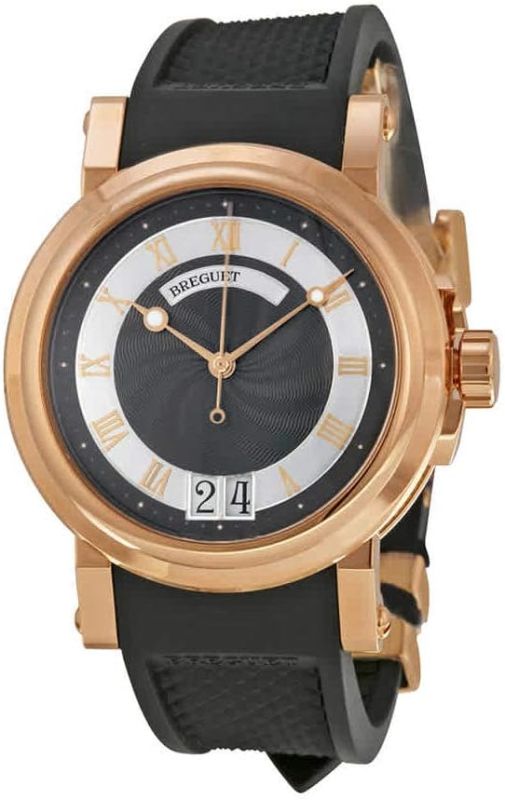
A classic dress dial is pared back: two or three hands (no subdials needed), simple markers (applied batons or Roman numerals), no lume (or minimal), and balanced printing. Silver, white, ivory, black, or champagne remain timeless. Guilloché or sunburst textures add quiet depth.
Date windows: Optional. If present, placement at 6 o’clock keeps symmetry. Avoid oversized cutouts and mismatched date wheels on minimalist dials.
Hands: Dauphine, leaf (feuille), or stick hands look elegant. Keep lengths correct: minute hand should graze the minute track; hour hand should point to indices, not short of them.
Dial & Hands Checklist
| Element | Classic Pick | Why |
|---|---|---|
| Layout | Two/three hands, no bezel text | Clean and formal |
| Indices | Applied batons or slim Roman numerals | Elegant legibility |
| Date | None or discreet at 6 o’clock | Preserves symmetry |
| Hands | Dauphine/leaf/stick, polished | Reflects light beautifully |
| Logo/Text | Minimal, balanced | Prevents visual clutter |
Water Resistance & Durability (Yes, It Still Matters)
Dress watches don’t need diver specs, but 30–50 m water resistance guards against rain and hand-washing. Higher ratings rarely hurt, yet a screw-down crown often adds thickness.
-
Everyday safe zone: 30–50 m WR
-
Active commuters/travelers: 50–100 m WR with decent crown sealing
-
If you sweat heavily: Consider a strap that tolerates moisture (see below)
Straps: Leather, Texture & Color Matching
Leather types:
-
Calfskin: Versatile and comfortable; works in matte or glossy.
-
Alligator/Croc: Classic luxury; typically glossy for formal wear.
-
Shell Cordovan: Dense, smooth, ages beautifully; more smart-casual than black tie.
-
Suede/Nubuck: Texture for business-casual; less formal.
Color coordination:
-
Black shoes & belt → Black strap.
-
Brown shoes & belt → Brown strap (match shade: light tan, chestnut, dark chocolate).
-
Metal accessories (cufflinks/buckle) → Match case tone (steel with steel, gold with gold).
Outfit Pairing Cheat Sheet
| Suit Color | Dial Colors | Strap Colors | Notes |
|---|---|---|---|
| Black/White Tie | Black, white, silver | Black glossy leather | Keep it ultra-minimal; thin case |
| Navy | Silver, white, blue sunburst | Brown (mid/dark) or black | Both straps work; pick per shoes |
| Charcoal/Gray | Silver, white, black | Black or dark brown | Cool tones pair beautifully |
| Light Gray | White, silver, champagne | Tan or mid-brown | Warmer straps add contrast |
| Brown/Tan | Ivory, champagne, warm silver | Brown (match shoes) | Avoid stark black unless metals dictate |
Strap width: Most 38–40 mm dress watches use 18–20 mm straps. Tapered straps (e.g., 20→16 mm) look sleeker and feel more refined.
Budget: What to Expect at Each Tier
Price isn’t just about brand; it buys finishing, slimness, movement quality, and sometimes precious metal.
Budget Tiers & Expectations
| Price Range (USD) | What You Get | Typical Movement | Examples of Style Families* | Watch Out For |
|---|---|---|---|---|
| Under $200 | Clean quartz designs; honest materials; basic finishing | Quartz | Minimalist dress styles from reliable entry brands | Excessive plating, harsh edges, mineral crystal scratches |
| $200–$500 | Better cases/straps; domed crystals; tasteful dials | Quartz or entry auto | Classic “heritage” cues, simple small-seconds | Overly thick autos; poor date wheel alignment |
| $500–$1,000 | Sapphire standard; good finishing; dependable autos | Auto or high-accuracy quartz | Dress collections from mainstream Swiss/Japanese makers | Bracelet-only models (less dressy), oversized cases |
| $1,000–$3,000 | Slimmer cases; nicer movements; strong straps/buckles | Auto or manual | Refined dress lines from established brands | Paying for hype over actual wearability |
| $3,000–$10,000 | In-house/elite finishing; precious metals possible | Manual/auto | Iconic dress silhouettes, ultra-thin references | Service costs; delicate finishes |
| $10,000+ | High horology: hand-finishing, micro-rotors, ultra-thin | Manual/auto | Haute horlogerie classics | Insurance, careful wear, long service times |
*Examples refer to style families across well-known brands; choose based on fit and taste.
Feature Trade-Offs: What to Avoid
-
Chronographs, rotating bezels, chunky crowns/pushers: They read “sport,” not “dress.”
-
Thick cases: Anything that fights your cuff spoils the effect.
-
Busy dials: Power reserve + big date + open heart + logo novella = too much.
-
Mismatch metals/leathers: Keep your accessories in the same color family.
How to Try On Like a Pro (5-Minute Process)
-
Cuff Test: Wear a dress shirt. The watch should slide under easily and stay put.
-
Mirror Check: At arm’s length, the dial should look balanced—no “saucer” effect.
-
Wrist Roll: Rotate your wrist. Overhang means lug-to-lug is too long.
-
Strap Fit: The strap should buckle at the middle hole; if not, ask for a different length.
-
Lighting: View under warm and cool lights. Dress watches live at dinners and offices—see both.
Maintenance & Ownership Costs
-
Mechanical service: Every 4–7 years depending on usage and environment. Expect to budget accordingly.
-
Water resistance checks: Annually if you wear in humid climates or get caught in rain often.
-
Leather care: Rotate straps; let wet straps dry away from heat; condition sparingly with quality balm.
-
Storage: Use a watch box; keep away from magnets (speakers, phone cases). For automatics, a winder is optional—nice for convenience, not mandatory.
Smartwatches as Dress Watches?
Modern smartwatches can look dressy with slim cases, steel finishes, and leather straps. Use a minimalist analog face, disable bright “always-on” when appropriate, and match strap color to your shoes/belt. Still, a true dress watch’s charm comes from its restraint and permanence; a smartwatch reads contemporary rather than timeless.
Frequently Asked Questions
What size is ideal for a men’s dress watch?
Most men look balanced between 36–40 mm depending on wrist size. Prioritize lug-to-lug and thickness so it glides under a cuff.
Do I need sapphire crystal?
It’s strongly preferred for scratch resistance. If you’re careful and budget-sensitive, mineral can be acceptable—but expect more marks over time.
Should a dress watch have lume?
Classic dress watches usually avoid lume to keep the dial clean. A tiny amount is fine if discreet.
Date or no date?
No date is purist and symmetrical. If you need it, choose a small, color-matched window—ideally at 6 o’clock.
Automatic vs. manual for dress?
Manual often allows thinner cases (very dressy). Automatic adds convenience. Choose based on how you’ll wear it.
Leather or bracelet?
Leather is the default for dress. A very slim, polished bracelet can work in business-formal settings, but it’s less traditional.
Quick Buy Checklist (Print or Screenshot This)
-
□ Case diameter matches wrist (use the size table)
-
□ Lug-to-lug shorter than wrist width
-
□ Thickness under your shirt cuff (ideally ≤ 10 mm)
-
□ Sapphire crystal (preferred)
-
□ Minimal dial (two/three hands, discreet date or none)
-
□ Leather strap matched to shoes/belt
-
□ Water resistance 30–50 m minimum
-
□ Movement type chosen for your lifestyle (manual/auto/quartz)
-
□ Budget set for future service and extra straps
The Bottom Line
A men’s dress watch should feel inevitable with your suit—quiet, slim, and perfectly proportioned. Start with your wrist size, then choose a case diameter and lug-to-lug that sit naturally. Keep the dial minimal, ensure sapphire if possible, and pick a strap that matches your shoes. Whether you prefer the ritual of a manual-wind, the convenience of an automatic, or the thinness of quartz, a thoughtful dress watch will outlast trends and become part of your personal style.